

With energy bills and uncertainty around long-term electricity costs continuing to rise, homeowners across Lincolnshire, Yorkshire and the wider UK, are looking for ways to take control of their household energy spending. Solar panels are already well known for reducing monthly bills, but what many people don’t realise is that solar energy can also create income over time.
Whether you are completely new to solar or you already have solar panels installed and are considering upgrades, this guide explains exactly how homeowners can earn money with solar installations, what affects overall returns, and how to maximise long-term savings, so you can decide whether solar energy will actually make financial sense for you.
How Do Homeowners Actually Make Money from Solar Panels?
There are two main financial benefits that come from installing domestic solar panels at home. The first is the money you save by using your own electricity instead of buying it from the grid. The second is the income you receive for any unused electricity that is exported back to the National Grid.
Saving Money by Using Your Own Electricity
The biggest, and most reliable financial benefit of solar comes from self-consumption. Every unit of solar electricity you use is one you no longer need to buy from your supplier. With electricity prices remaining high, this has an immediate and noticeable impact on household bills. To put some numbers behind that, the Energy Saving Trust notes that you’ll typically get around 12p per kWh for electricity you export through the Smart Export Guarantee, but you’d normally pay more than twice that per unit to buy electricity from the grid. In other words, it often makes more sense to use what you generate instead of exporting it. As a rough example, if a household uses 300 kWh of solar electricity per month instead of buying it from the grid, that could equate to around £30-£40 in monthly savings, depending on current electricity prices and usage habits. Over a year, those savings can add up significantly, especially when combined with battery storage.
Everyday appliances such as washing machines, dishwashers, lighting, televisions and home office equipment can all be powered by solar during daylight hours. Homes where people work from home, are at home during the day, or have children in the property often benefit the most from this overlap between usage and generation.
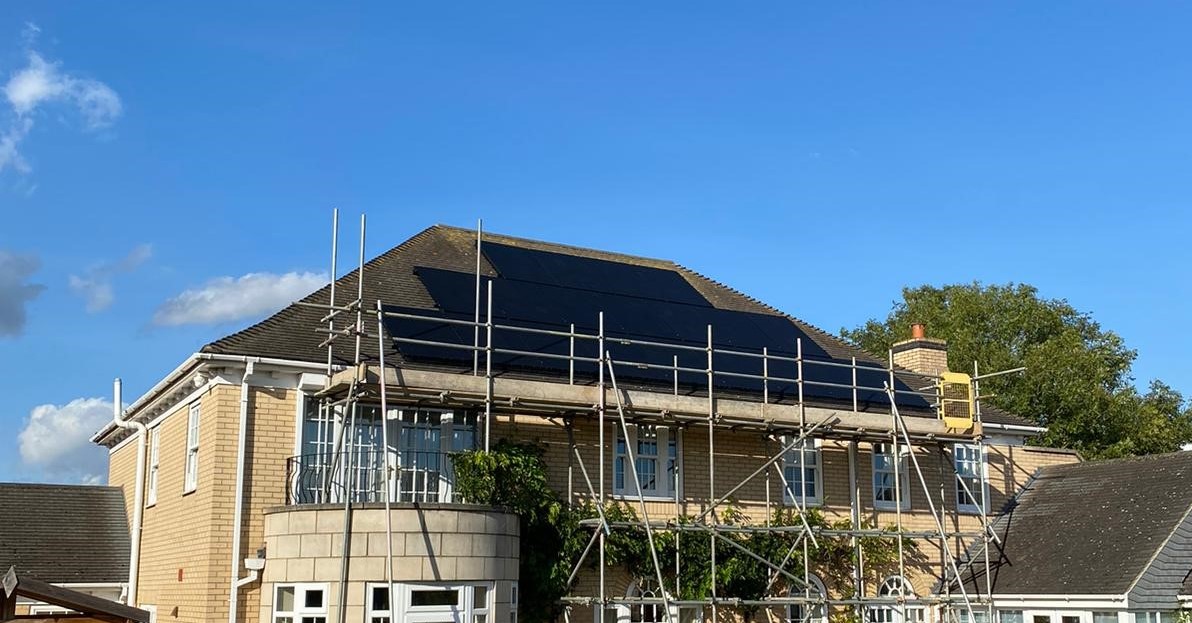
Modern domestic solar panel systems quietly generate electricity throughout the day, reducing reliance on the grid and creating steady savings year after year.
Getting Paid for Exporting Excess Energy
If your solar panels generate more electricity than your home is using at any given moment, the surplus power is exported to the grid. Through the Smart Export Guarantee (SEG), your energy supplier pays you for every unit exported.
SEG payments change between suppliers and over time, so they should be viewed as a helpful bonus rather than the main reason to go solar. However, across the lifetime of your system, export income still plays a meaningful role in reducing payback time and increasing overall returns, especially during summer when generation is highest.
How Much Can You Really Earn with Solar Energy?
There is no universal figure for solar earnings because every home is different. Your total return depends on system size, roof direction, shading, how much electricity you use during daylight hours, whether you install battery storage, and how much energy you export.
For many UK homeowners, a well-designed system can deliver several hundred pounds per year in combined bill savings and export income. Most systems typically reach payback within around seven to ten years. With solar panels lasting 25 years or more, that leaves many years of genuine financial benefit.
If you’re unsure how many panels your roof could support, our guide on how many solar panels you need on your roof explains how roof layout and space affect system design and earning potential.
Why Battery Storage Can Significantly Increase Your Returns
 While solar panels alone can offer strong savings, battery storage can dramatically improve how much money you save over time.
Without a battery, unused daytime energy is exported at lower SEG rates, and electricity is then bought back in the evening at higher prices. A solar battery stores that excess energy so it can be used later, increasing self-consumption and cutting grid reliance even further.
For homeowners who are out during the day and use most of their electricity in the evening, battery storage can be the difference between good savings and maximum long-term return. Our Solar Panels vs Solar Batteries guide explains this relationship in more detail.
How EV Chargers Turn Solar into Transport Savings

As electric vehicles become more common, many homeowners are now combining solar with EV charger installation to unlock even greater savings.
Instead of paying grid prices to charge your vehicle, your solar panels can power your car during the day. With battery storage, solar energy can even be stored for overnight charging. Over time, this can save thousands of pounds on fuel and electricity while reducing your household’s carbon footprint.
The True Long-Term Financial Picture
Solar is designed to be a long-term investment. In fact, solar panels commonly last 25 to 30 years, while batteries and inverters may need replacing once during that time. Maintenance costs are minimal, but the savings continue to grow a
s energy prices rise.
Once a system has paid for itself, the remaining years often generate the biggest financial rewards. Over a full system lifespan, this can amount to many thousands of pounds in avoided electricity costs and export income. Regular solar panel maintenance and servicing helps protect this long-term performance.
Common Mistakes That Can Limit Solar Earnings
Some of the most common factors that limit solar returns include heavy shading, poor roof orientation, undersized systems and lack of battery storage where usage is mainly in the evening and choosing low-quality installers.
One of the biggest missed opportunities we see is homes exporting large amounts of energy at low rates and buying it back later at higher prices. This is why system design based on real usage patterns is so important when aiming to maximise returns.
Can You Earn More if You Already Have Solar Panels?
Yes. Many homeowners with existing solar systems are still missing out on potential savings. Older systems often lack battery storage, modern monitoring, or optimised inverters.
By upgrading with battery storage, improving system efficiency or adding EV charging, homeowners can unlock much greater long-term value. Our battery storage and maintenance services are designed to help homeowners modernise older installations and help you earn more money.
 Can Solar Panels Still Save You Money in Winter?
Yes. Solar panels continue to generate electricity throughout winter using natural daylight, even on overcast days. While output is lower than in summer, winter generation still contributes to bill savings and overall yearly performance.
Explore how seasonal generation still supports strong long-term results in our guide on whether solar panels work in winter.
Why Choosing a Local Installer Matters Financially
Earning money with solar doesn’t just depend on the equipment, it depends on proper system design and long-term support. A local, accredited installer understands local roof styles, rural properties, coastal conditions and regional energy usage far better than national providers.
At Lincs Renewables, we design tailored solar systems for homes, businesses and agricultural properties across Lincolnshire and neighbouring areas, including Lincoln, Market Rasen, Scunthorpe, and Hull, ensuring long-term performance and dependable aftercare.
Is Solar Energy Right for My Home?
Solar energy can be a great fit for many households, but it’s not just about having panels on your roof.
If you currently use electricity during daylight hours, have rising bills, a relatively clear roof, or plan to own an electric vehicle, solar could play a valuable financial role in your home.
Beyond the immediate benefit of generating your own electricity and reducing monthly bills, solar panels can also help lower your reliance on the National Grid, giving you more control over how and when you use energy. Many homeowners also find that installing solar adds long-term value to their property, while allowing them to reduce their carbon footprint and make a positive contribution to a cleaner, greener environment.
Every home is different, which is why taking the time to understand whether solar is right for you is so important. Our five questions to ask before installing explore this decision in more detail.
Why Work with Lincs Renewables?
At Lincs Renewables, we pride ourselves on delivering high-quality solar installations using only top-grade, fully tested and MCS-certified products. Every system is installed by highly qualified, experienced electricians to ensure all work meets the highest standards the market has to offer.
As a local Lincolnshire business, we believe strongly in supporting other local businesses wherever possible. We work with local electricians, scaffolders, roofers and suppliers, ensuring that your project not only benefits your home, but also supports experienced tradespeople across the county. Lincolnshire is full of fantastic businesses and skilled professionals, and we believe in using that local expertise. You can learn more about our values, standards and local approach on our About Us page.
Final Thoughts
Solar panels are no longer just an environmentally responsible choice; they’re a serious financial asset for modern homeowners. By generating your own electricity, earning from exported energy, and upgrading with battery storage or EV charging, solar installations create multiple ways to save and earn money over decades.
However, the true value of solar doesn’t come from panels alone. It comes from correct system design, high-quality installation, and long-term aftercare. That’s where choosing the right installer becomes just as important as choosing the right technology. A well-installed system will quietly deliver savings for 25 years or even more. A poorly installed one can limit your return from the very start.
Next Steps
If you’d like to find out exactly how much money solar could save or earn you at your property, or whether battery storage or an EV charger upgrade could increase your current savings, our team is here to help.
At Lincs Renewables, we offer free, no-obligation surveys, honest financial projections, and fully tailored renewable energy systems designed around your home.
Contact us today to discuss your requirements and arrange a free no-obligation quotation, or download your free solar guide!
Our team of MCS approved solar panel installers cover the following areas and more across Lincolnshire and East Yorkshire:
- Boston
- Caistor
- Cleethorpes
- Gainsborough
- Grantham
- Grimsby
- Horncastle
- Hull
- Lincoln
- Louth
- Market Rasen
- Newark
