

Installing solar panels on your home could lead to impactful long-term savings, lowering your energy costs significantly. Once installed, you can generally take a low-maintenance approach while enjoying potential savings of up to £982 per year on electricity bills. But you may be thinking: Is it too good to be true?
While solar panels are certainly an upfront investment, how long do they really last? We understand you don’t want to invest in a setup that won’t stand the test of time, but with proper installation and the right maintenance, your system should carry on working smoothly for years to come.
How Long Do Solar Panels Last in the UK?
While it can differ subtly for different types of solar panels, on average, solar panels will last between 20 and 30 years, with some even lasting up to 40 years or longer with the proper maintenance. That means decades worth of renewable solar energy for your home. With the correct care and maintenance, you can further prolong the lifespan of your solar panels. Ensure they are checked regularly, clean of any dirt or debris and always enlist the help of a professional if you’re unsure how best to care for your solar system.
How Do Solar Panels Work?
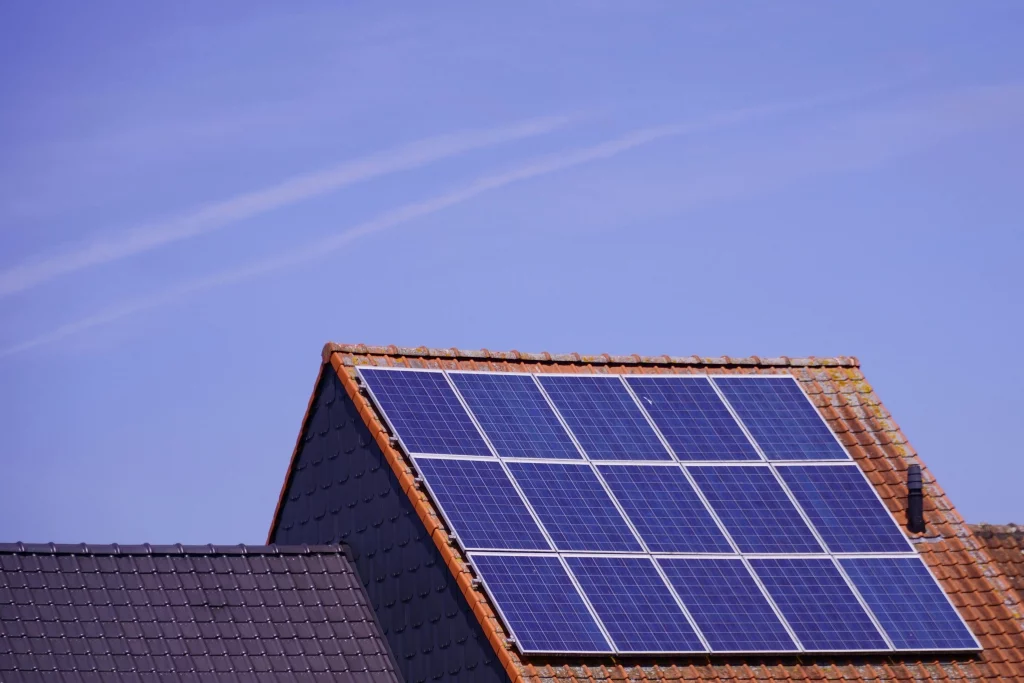
Installing solar panels allows you to power your home with free, renewable and clean energy, but how does it work? Simply, the panels or photovoltaics (PV) capture the sun’s energy and convert it into electricity. The PV cells produce an electrical charge as they consume power from the sun. While sunshine is optimal for solar production, they also work perfectly well on cloudy days.
The electrical charge creates a direct current of electricity – this is then passed through a solar inverter. The job of the solar inverter is to convert DC to AC, which is what is needed to run household appliances.
Influencing Factors of Solar Panel Lifespan
The lifespan of solar panels can vary somewhat significantly, and of course, there are several influencing factors at play that can affect the lifespan of your solar panels.
Quality of Materials & Manufacturing
Different solar panels are made from a range of materials. The higher quality material that has been used, the longer your solar panels will last. The common phrase “buy cheap, buy twice” comes to mind. Rather than opting for a budget option from the get-go, which you may have to replace sooner, choose good-quality solar panels from a reputable source.
Quality of Installation
At Lincs Renewables, we only use premium materials and cutting-edge technology to ensure your solar set-up will not only perform its best but also last for years to come. Why does installation matter? Well, if an installer is in a rush or not properly qualified, the panels themselves could become damaged in the process.
In addition, if they are not fixed onto your roof with the correct care and attention, then your panels could become broken or dislodged during harsh weather conditions – this is simply not a risk worth taking. Using Lincs Renewables for solar installation means you can be certain your installers are fully qualified experts in the field, delivering clean, safe, and efficient installations using only MCS-approved products, so you know you’re getting quality guaranteed, every single time.
Environmental Impact
While good quality materials and proper installation can ensure your solar panels will have a long life ahead of them, another important factor to consider is the weather and the impact of the environment. Extreme weather has a negative impact on solar panels; high winds that blow around debris or strong hailstorms can cause physical damage to the panels. Exposure to high temperatures and humidity can also lead to negative issues arising. Added concerns include loose branches or twigs, animals nesting underneath or around your solar panels. For more information, see our detailed guide on why bird protection matters for your solar panels.
Bits of dirt and fallen leaves that have built up can even impact the amount of energy you produce, which can mean you’re missing out on potential savings on your energy bills. But all is not lost; while the environment can have a negative impact on your panels with regular check-ups and maintenance, you can catch any potential issues before they grow into something costly.
Do Solar Panels Lose Efficiency Over Time?
Even the best quality solar panels gradually lose efficiency over time, which can be around 0.2% and 0.5% each year. Over 25 years, the efficiency loss will be minimal. This is due to several reasons; the constant exposure to UV radiation can break down the materials over time, causing a dip in efficiency. During warmer months, humidity and moisture can cause the internal corrosion of electrical components, which may also lead to a loss in efficiency. While a normal amount of wear and tear is unavoidable, carefully monitoring your solar for drops will help to identify if there are any issues that need addressing. You should also ensure your system has proper ventilation, as this will lower the risk of it overheating, as cooler temperatures are optimal for solar panel performance.
Can Solar Panels Benefit Your Roof?
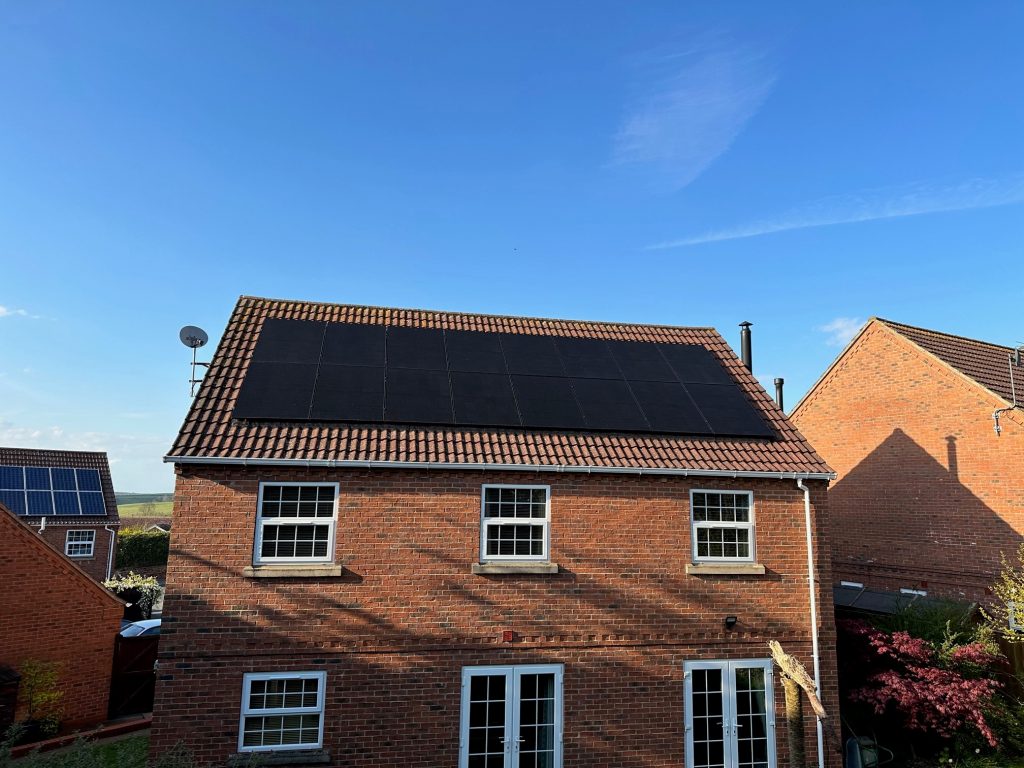
When things go wrong with your roof, it can be extremely costly. Yet solar panels can actually help prolong the life of your roof, leading to further savings. Solar panels will shield your roof from direct rain and harsh weather conditions. This means you’re less likely to incur the cost of roof repairs.
Signs You May Need to Replace Ageing Solar Panels
While well-installed and maintained solar panels will have a long-life span, there will be signs when they start to degrade. Warning signs to look out for include:
A dramatic reduction in energy production: when your solar panels do come to the end of their lifespan, you’ll start to notice that they’re not producing as much energy as they once did. A good way to keep an eye on this is by using solar monitoring apps.
Most modern systems come with monitoring software, though not every change will mean something is wrong. Weather plays a vital role in how much solar you’ll produce, but if performance falls suddenly and doesn’t recover, it’s a good idea to get your system checked by a professional.
For visible damage to the panels themselves, look out for any signs of wear and tear on the panels themselves. This could include scratches, chips, cracks or even shattered glass. This type of damage is sure to impact energy production and so may signal it’s time to update your set-up.
How to Protect and Care for Your Solar Panels
While wear and tear will happen over time, there are several ways you can care for your solar panels and prolong their lifespan, meaning you can enjoy free eco-friendly electricity for longer.
Keep your solar panels clean: Solar panels work most efficiently when the sunlight can reach them freely, so it’s important to clean away any dust, pollen, bird droppings or leaves that could be blocking the sun. For some, getting up on your roof to clean panels can feel a bit risky, so if you’re not feeling comfortable carrying out this task yourself, it’s a good idea to hire a professional for dedicated solar panel maintenance and repair services.
Trimming nearby trees: If your roof is close to large trees, it’s beneficial to cut them back. This reduces the risk of your solar panels being scratched by rogue branches, while reducing the risk of the sun being blocked too.
Final Thoughts
Home solar panel set-ups in the UK generally pay for themselves within the first 6-12 years, according to the Money Saving Expert. With a lifespan of 25 to 40 plus years, your system is sure to pay for itself and give you potential decades of free energy!
If you’re wondering if a solar system is the right choice for your home, get in touch with our team of experts.
At Lincs Renewables, we offer honest, professional advice to homeowners across Lincolnshire and Yorkshire.
For more information, get in touch on 01472 511487, alternatively, drop us an email at info@lincsrenewables.co.uk.
Contact us today to discuss your requirements and arrange a free no-obligation quotation, or download your free solar guide!
Our team of MCS approved solar panel installers cover the following areas and more across Lincolnshire and East Yorkshire:
- Boston
- Caistor
- Cleethorpes
- Gainsborough
- Grantham
- Grimsby
- Horncastle
- Hull
- Lincoln
- Louth
- Market Rasen
- Newark
