

Once solar panels are up and running, most people stop thinking about them. They sit on the roof, get on with their job, and you just notice the difference when the electricity bill comes in.
But like anything that lives outside all year round, solar panels benefit from being looked after. Not constantly, but enough to make sure they’re still working as well in ten years’ time as they did in year one.
You don’t need to be fixing something every few weeks for maintenance to matter. It’s really about keeping everything running smoothly so your system carries on working as it should.
Here’s what you need to know about caring for your system, from simple checks you can do yourself to situations where professional support is the safer option. We’ll also touch on batteries, inverters, EV chargers and hot water diverters, as well as how maintenance can differ for commercial buildings and farms.
Why Solar Panel Maintenance Matters
Solar panels are designed to last. Most modern systems will still be generating electricity well beyond 25 years. However, that doesn’t mean they can be completely ignored.
Bits of dirt, fallen leaves and normal wear don’t cause problems overnight, but they do build up over time. Your system may still be generating power, just not as much as it could be.
A small loss each month doesn’t sound like much, but over several years it can mean missing out on a fair chunk of savings.
Checking in on your system now and again helps keep everything on track and often catches issues before they grow into something more costly. For many homeowners, that’s when professional solar panel maintenance and repair services make sense, rather than waiting until something stops working altogether.
How Often Do Solar Panels Need Maintenance?
For most homes, solar panels don’t need frequent hands-on maintenance. They’re built to work quietly in the background.
A simple rule of thumb is to keep an occasional eye on how the system looks and performs, and arrange a professional inspection roughly once a year. That’s usually enough to make sure everything is still in good condition.
Where you live can make a difference. Homes near farmland, busy roads or the coast may see more dust and residue building up on solar panels. Properties with trees nearby may deal with leaves or moss more often. In those situations, checks might be useful a little more frequently.
Larger systems like commercial solar panels and solar panels for farms naturally need more structured maintenance simply because they’re bigger and exposed to tougher conditions. This is especially true for solar panels for farms, where dust, pollen and bird activity can build up more quickly than on a typical house roof.

Keeping Your Solar Panels Clean
Solar panels work best when sunlight can reach them freely. Over time, dust, pollen, bird droppings and leaves can settle on the surface and block some of that light.
Sometimes this is obvious. Other times it’s subtle. You may only realise when your monitoring shows slightly lower output than expected.
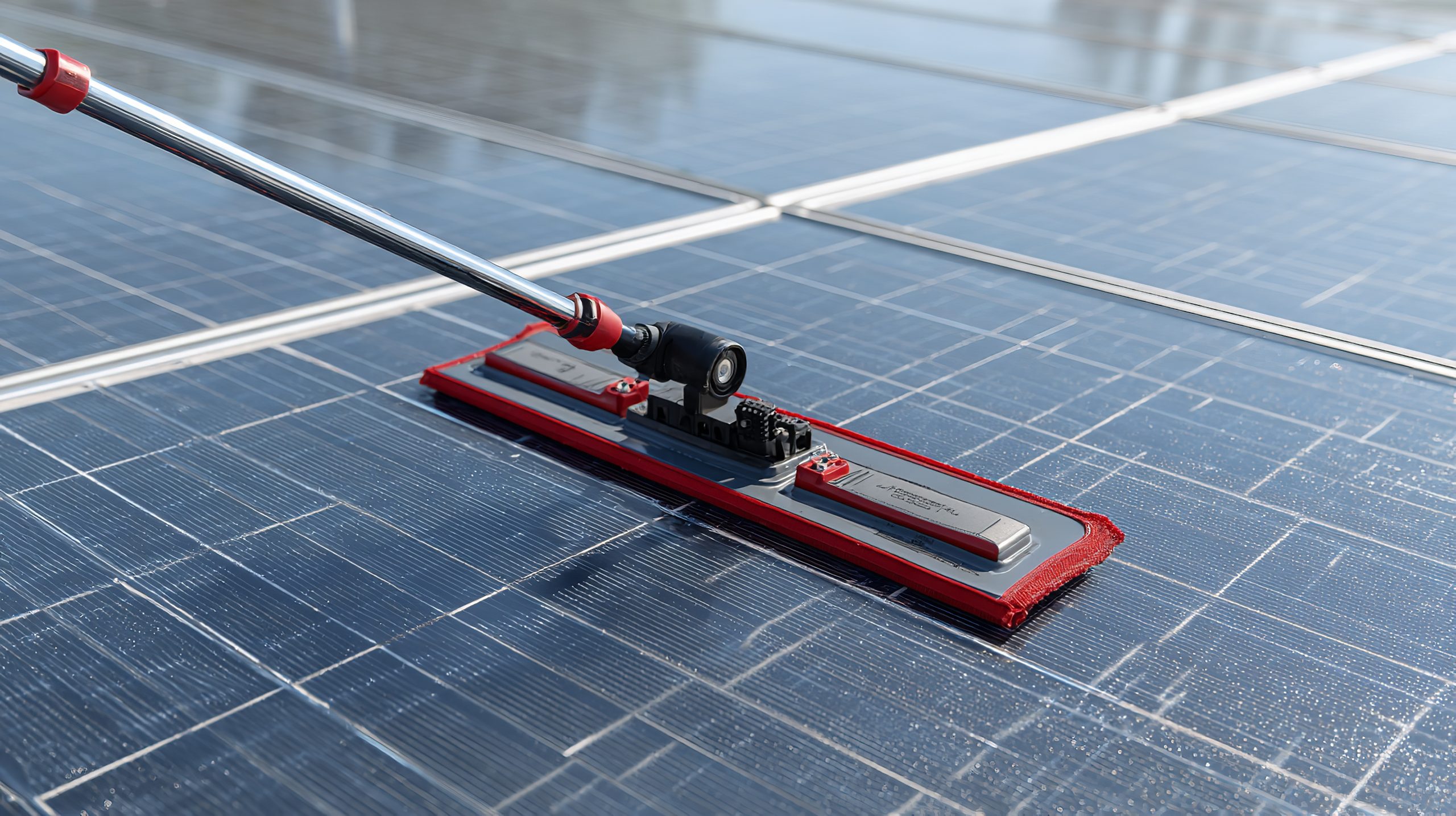
When solar panels are visible from the ground, you can usually spot when they’re starting to look dirty. A quick check every so often is often all that’s needed. Light marks may come off with clean water, but safety should always come first.
Roof work comes with risks, and using strong chemicals or rough brushes can do more harm than good. For a lot of people, professional cleaning is the safest way to keep panels clear, particularly on higher or awkward roofs.
This is where dedicated solar panel maintenance and repair services are useful, as panels can be cleaned properly without putting you or the system at risk.
Monitoring the Performance of Your Solar Panels
Most modern systems come with monitoring software, usually accessed through an app or an inverter screen. This is one of the most helpful tools you have as a homeowner.
Monitoring lets you see what your system is doing over time, not just on one good day or one bad day. You can watch how generation changes through the seasons and spot when something looks out of the ordinary.
If output suddenly drops and doesn’t bounce back, it can be a sign that panels are dirty, something is casting shade, or there’s a fault that needs looking at.
Not every change means something is wrong. Weather plays a big role, and winter generation will always be lower than summer. But if performance suddenly falls and doesn’t recover, it’s usually worth having the system checked.
Monitoring becomes even more useful if you have battery storage or EV charging, as those parts of the system rely on solar generation working properly in the first place.
Inverters and the Rest of the System
If solar panels are the visible part of your setup, the inverter is the part quietly doing the heavy lifting behind the scenes. It turns the electricity your solar panels generate into power your home can use.
Inverters generally don’t last as long as panels. Many need replacing after 10 to 15 years. They’re also the component most likely to show faults over time.
Warning lights, error messages or missing data in your monitoring app can all point to inverter issues. Hybrid inverters, which manage both panels and batteries, are even more important to keep in good working order.
This is why inspections by a qualified solar PV installer form such an important part of long-term care.
Adding Battery Storage to Your Solar Panels
Solar batteries store surplus energy for later use. While they largely look after themselves, they still benefit from occasional checks.
They work best when kept within a safe temperature range and when their charging and discharging patterns stay consistent. Occasional software updates and performance checks can help keep everything running smoothly and reduce the chance of capacity slowly dropping over the years.
Routine checks ensure storage continues working safely and efficiently over the years.

EV Chargers and Hot Water Diverters
Many households now use solar for more than just lights and appliances.
EV chargers rely on solar generation to provide low-cost charging during daylight hours. If panels or inverters aren’t performing properly, charging efficiency drops too. Periodic EV charger servicing keeps everything working together as intended.
Hot water diverters use surplus solar electricity to heat water rather than exporting it to the grid. If the system isn’t operating well, that benefit is reduced. This is why hot water diverter installations work best alongside regular system maintenance.
Seasonal Considerations
Different seasons bring different challenges. Spring and summer often mean pollen and dust. Autumn brings leaves and moss. Winter brings shorter days and colder conditions.
Because colder weather can affect both panels and system components, winter solar panel maintenance focuses more on keeping panels clear, checking batteries and making sure inverters continue working efficiently with limited daylight.
Commercial and Farm Solar Systems
Commercial buildings and farms usually need a more planned approach to maintenance. Systems are larger and exposed to heavier dust and debris.
This is why commercial solar panels and agricultural installations often operate on regular inspection schedules rather than occasional checks.
Why Professional Solar Panel Servicing Matters
Buying solar panels is a long-term investment. Professional servicing plays a big part in protecting that investment.
Engineers check electrical connections, mounting systems, inverters, batteries and performance data. Working with a local and MCS-accredited installer also means your system is supported by people who understand local roof types and weather conditions. With bird protection included as standard and strong aftercare, systems are set up to keep performing year after year.
Final Thoughts
Solar panels don’t need constant attention, but they do need some care over time. Simple checks, safe cleaning and occasional professional servicing help make sure your system keeps delivering the savings and energy independence it was designed for.
Over the lifespan of a system, often 25 years or more, that care makes a real difference to both performance and financial return.
Next Steps
If you’re unsure when your system was last checked, or you’d like peace of mind that everything is running as it should, our team is here to help.
At Lincs Renewables, we offer honest advice and professional solar panel maintenance and repair services for domestic, commercial and agricultural systems across Lincolnshire.
For more information, call 01472 511487, email info@lincsrenewables.co.uk, or get in touch online to arrange a free, no-obligation quote.
With the right care in place, your solar panels can continue delivering clean energy and long-term savings for many years to come.
Contact us today to discuss your requirements and arrange a free no-obligation quotation, or download your free solar guide!
Our team of MCS approved solar panel installers cover the following areas and more across Lincolnshire and East Yorkshire:
- Boston
- Caistor
- Cleethorpes
- Gainsborough
- Grantham
- Grimsby
- Horncastle
- Hull
- Lincoln
- Louth
- Market Rasen
- Newark
