
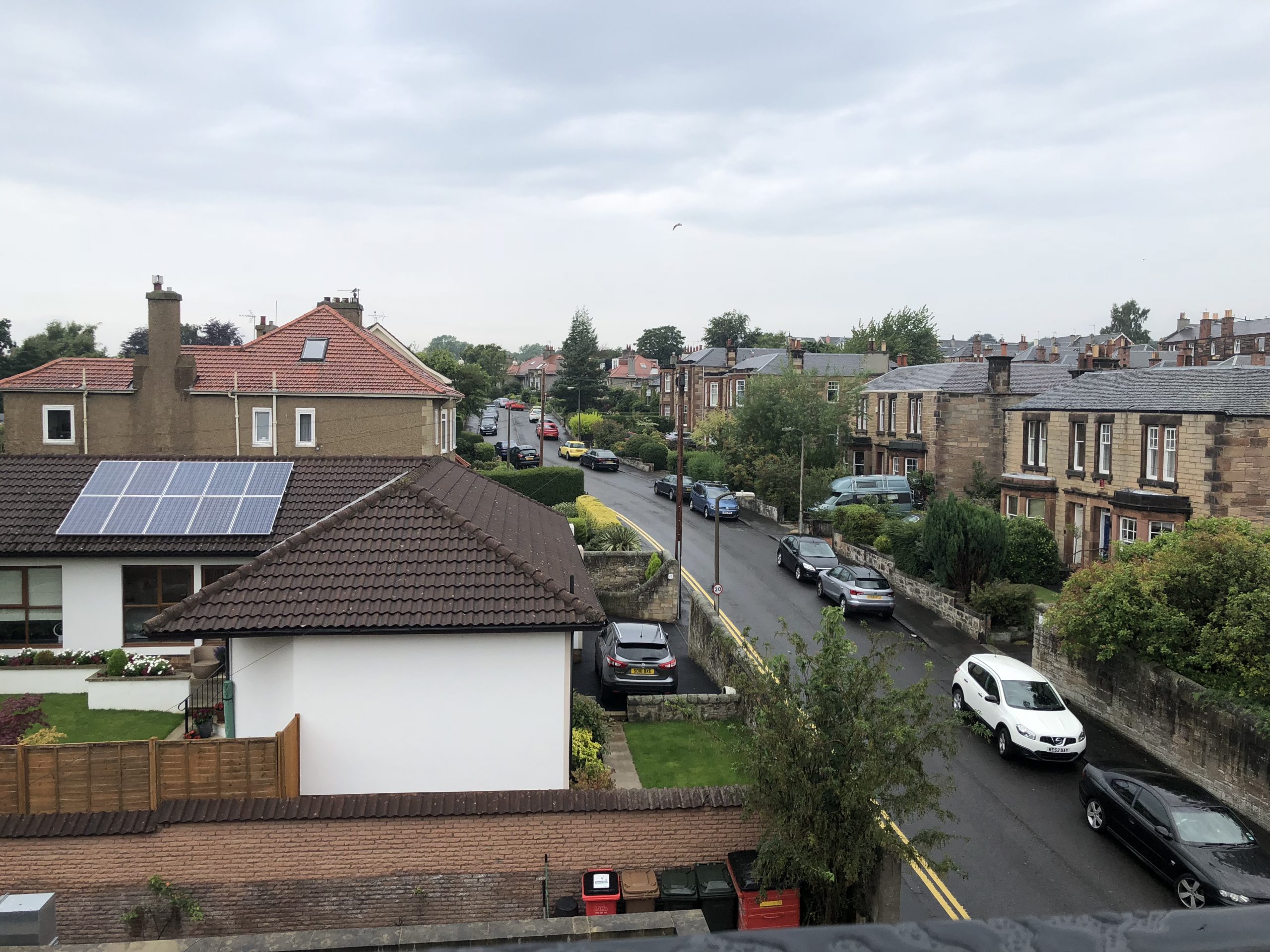

Older homes often come with a bit more character, but they also come with a few more question marks.
If you’re thinking about solar panels for an older property, the first concern is usually the roof. Sometimes the electrics. Sometimes whether the whole thing is going to turn into a bigger job than expected.
That’s understandable.
The good news is that the age of a property doesn’t automatically rule solar out. In many cases, older homes can work very well. But they do tend to benefit from a slightly more careful assessment before anything is installed.
This guide explains what’s actually worth checking before you go ahead, so you can work out whether solar is the right fit for your home and whether now is the right time to do it.
Can Older Homes Have Solar Panels?
In many cases, yes.
There’s a common assumption that solar panels are really only suited to newer homes, modern roofs or recently built estates. In reality, that’s not usually how it works.
It’s often less about when the house was built and more about the condition and setup of the property today.
An older home with a solid roof, usable roof space and suitable electrics can be a better fit for solar than a much newer property with poor orientation, heavy shading or limited roof area.
That’s why a proper assessment matters.
The age of the house can affect how the installation is approached, but it doesn’t automatically mean solar panels are off the table. If anything, many older homes are very well suited to a carefully designed domestic solar panel installation, especially when the roof space and household energy use line up properly.
 1. Check the Condition of the Roof First
This is usually the most important place to start.
Solar panels are designed to last 25 years or more. Because of that, the roof beneath them should ideally have a decent amount of life left too.
That doesn’t mean an older roof is automatically a problem. Plenty of older roofs are still structurally sound and perfectly suitable for solar. But it does mean the condition should be checked properly before anything is installed.
Things worth paying attention to include:
- cracked or slipped tiles
- sagging roof lines
- signs of previous leaks
- patch repairs
- general wear in older roofing materials
If the roof is likely to need significant work in the near future, it often makes more sense to deal with that first rather than installing solar and having to remove it again later.
That’s really the key point here. Solar panels and your roof should ideally have a similar lifespan.
2. Think About Roof Type, Not Just Roof Age
Older homes often have very different roof materials and layouts compared to newer properties.
That can affect installation, but not necessarily in a negative way. It just means the roof needs to be understood properly.
Common examples include:
- natural slate roofs
- clay tiles
- older concrete tiles
- steep pitches
- dormers, valleys and chimneys
Some of these roofs are structurally excellent. Some are more delicate. Some simply take a bit more care and planning during installation.
That’s one of the reasons older-home solar shouldn’t really be approached as a “standard fit” job.
A slate roof, for example, can often still work very well for solar, but it may require a more careful mounting approach than a newer tiled roof. Likewise, a roof with multiple chimneys or unusual sections may still be suitable, but the panel layout needs to be designed around what’s actually usable.
It’s less about whether the roof is old and more about whether it’s the right roof for the system being proposed.
3. Check How Much Usable Roof Space You Actually Have
This is another point that can catch people out.
Some older homes appear to have plenty of roof area at first glance, but once you factor in chimneys, dormers, rooflights, awkward angles or shaded sections, the usable space can shrink quite a bit.
That doesn’t automatically rule solar panels out. But it does affect what kind of system makes sense.
In practical terms, usable roof space influences:
- how many panels can fit
- how much electricity the system can generate
- whether the system size suits your household demand
- whether battery storage might become more useful
This is one of the reasons quick online estimates can be misleading, especially on older properties.
Two homes might look similar from the road, but the actual usable roof area can be very different once the details are looked at properly.
A careful layout matters here, not just to fit as many panels as possible, but to make sure the system is worth installing in the first place.

4. Don’t Overlook the Electrics Inside the House
When people think about solar panels on older homes, they usually think about the roof first.
That makes sense. But the electrics inside the house matter too.
Older properties can sometimes have:
- older consumer units
- older wiring
- previous electrical alterations
- less flexibility for future upgrades
That doesn’t mean the house needs a full rewire before solar can be installed. In many cases, it’s much more straightforward than that.
But it does mean the electrical side of the property should be assessed properly before assumptions are made.
This becomes even more important if you’re also thinking about:
- battery storage
- EV charging
- using surplus solar for hot water
- expanding the system later
Because once you start treating solar as part of a wider home energy setup, the electrical design matters just as much as the roof.
For some households, it can make sense to think ahead early, especially if there’s a chance the home may later benefit from solar battery storage, EV charging, or even a hot water diverter.
5. Check Whether Planning or Heritage Restrictions Apply
This is one of the most common worries people have with older homes.
The good news is that in many cases, solar panels on domestic properties in the UK fall under permitted development. That means formal planning permission often isn’t required.
But older homes are also more likely to fall into the types of properties where extra checks do matter.
That can include:
- listed buildings
- homes in conservation areas
- visually sensitive locations
- properties with unusual rooflines or heritage features
That doesn’t always mean solar isn’t possible. It just means it’s worth checking properly before making assumptions.
This is particularly relevant with period homes or properties where appearance matters just as much as performance.
A well-designed solar system should suit the house rather than fight against it. That includes how it performs, but also how it sits visually on the roof.
In many cases, there’s a sensible way forward. It just benefits from a bit more thought before the installation is planned.
6. Think About Whether Now Is the Right Time to Install
This is the part many people overlook.
Sometimes the property is suitable for solar, but the timing isn’t quite right yet.
That can happen if:
- the roof is likely to need replacing in the next few years
- significant roof repairs are already being considered
- loft or structural work is planned
- access or scaffolding work is likely to happen anyway
If any of that is already on the horizon, it may make more sense to coordinate those decisions rather than treating solar as a completely separate project.
Because while panels can be removed and reinstalled later, that does add cost and disruption.
In some cases, installing solar during or after planned roof work is the cleaner long-term decision.
That doesn’t mean you need to delay everything “just in case.” It simply means the timing should make sense for the property as a whole.
Older homes often benefit most when the installation is looked at as part of a wider plan, not just a quick add-on.
7. Think Beyond the Panels Themselves
This is where older-home solar can actually become more interesting.
Because once you move past the question of “can panels go on the roof?”, the more useful question becomes: what kind of setup would actually work well here?
That’s where system design matters.
For some homes, the best setup might just be a straightforward solar panel system.
For others, it may make sense to think about:
- battery storage
- future EV charging
- using surplus solar for hot water
- whether the system should be designed to expand later
That doesn’t mean adding every possible extra from day one. It just means thinking a bit more carefully about how the home runs and what the roof is there to support.
A well-designed solar system should suit the house and how it’s lived in, not just the available roof space.
That’s especially true on older properties, where every home tends to have its own quirks.
Final Thoughts
Older homes can absolutely be suitable for solar panels. In many cases, they work very well.
The key is not assuming yes or no too early.
Roof condition, structure, layout, electrics and timing all play a part. Once those are assessed properly, it becomes much easier to work out whether solar is the right fit and what kind of system will actually make sense for the property.
Like most things in solar, the best outcomes usually come from good design rather than quick assumptions.
Next Steps
If you live in an older home and want to understand whether solar panels are a realistic option, we’re here to help.
At Lincs Renewables, we design solar systems for all kinds of properties across Lincolnshire and Yorkshire, including homes that need a bit more thought before installation. Every survey is tailored to the property itself, so you get clear advice based on what actually makes sense for your roof, electrics and long-term plans.
You can explore our local solar panel services, find out more about our MCS certified installers, or get in touch to arrange a free, no-obligation quote.
A well-designed system should feel like it belongs on the house, not like it’s been forced onto it.
Contact us today to discuss your requirements and arrange a free no-obligation quotation, or download your free solar guide!
Our team of MCS approved solar panel installers cover the following areas and more across Lincolnshire and East Yorkshire:
- Boston
- Caistor
- Cleethorpes
- Gainsborough
- Grantham
- Grimsby
- Horncastle
- Hull
- Lincoln
- Louth
- Market Rasen
- Newark
