
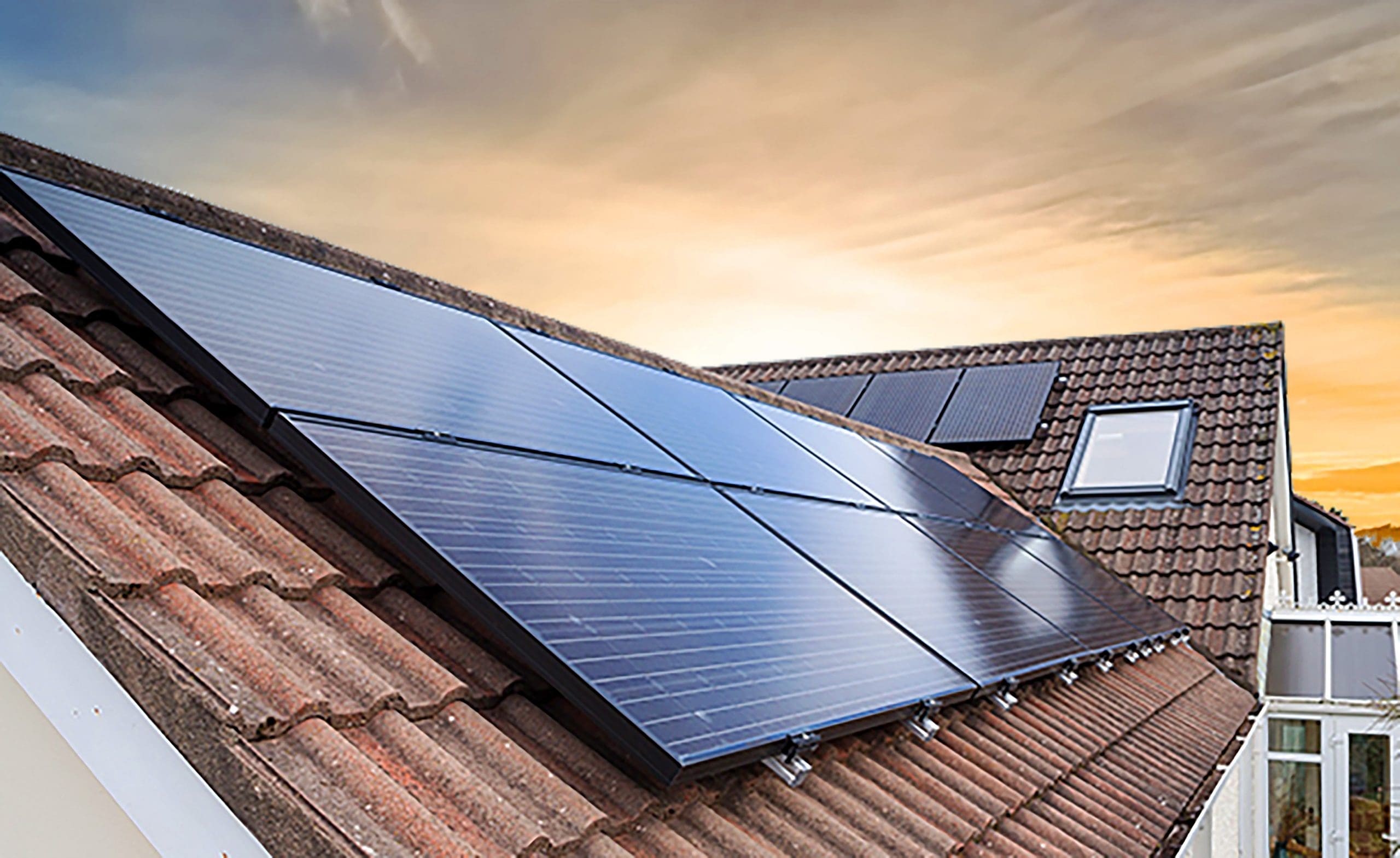

Most people don’t wake up one morning and decide to overhaul their entire lifestyle.
But a lot of homeowners do start thinking about how their home runs. Where the electricity comes from. How much of it they use. Whether there’s a better way of doing things.
That’s usually where solar panels come into the conversation.
Being eco friendly at home doesn’t mean going off-grid or giving up modern comforts. In most cases, it simply means reducing how much high-carbon energy your home depends on. Solar panels help with that in a very practical way.
They change the source of your electricity.
What Actually Changes When You Install Solar Panels?
When your home draws power from the grid, that electricity is coming from a mix of sources. The UK has increased renewable generation significantly, but gas and other fossil fuels still play a role, especially when demand rises.
Solar panels work differently. They generate electricity right there on your roof. No fuel being burned. No moving parts. No emissions during generation.
Every unit of solar electricity you use at home is one that doesn’t need to be produced elsewhere.
It’s fair to say solar panels aren’t impact-free. Manufacturing them requires energy and materials. But once installed, they typically offset that production footprint within a few years. After that, they continue generating low-carbon electricity for decades.
That long lifespan is what really shifts the balance.
It’s Not Just the Solar Panels; It’s How You Use Them
A solar system’s environmental impact depends heavily on what happens after the electricity is generated.
If you’re home during the day, working remotely, running appliances, cooking, your home is likely using that solar power directly. That’s the ideal scenario.
If most of your usage happens in the evening, more electricity may be exported during the day and bought back later from the grid. The system is still helping, but it’s not as efficient from an environmental perspective.
This is why system design matters. A well-sized domestic solar panel installation should reflect how your household actually behaves, not just how much roof space you have.
The more solar energy you use yourself, the less conventional electricity you need.

Where Solar Battery Storage Comes In
For many households, electricity use peaks in the evening. That’s when lights are on, dinner’s cooking, TVs are running.
Solar panels don’t generate after sunset. So, without storage, that evening electricity comes from the grid.
A solar battery changes that slightly. It stores excess solar produced earlier in the day and makes it available later.
It doesn’t mean you’ll never use grid electricity again. But it does mean a larger portion of your total consumption can come from your own renewable generation.
Whether that makes sense depends on how your home runs. A professional solar battery installer can assess that properly rather than guessing.
The aim isn’t adding technology for the sake of it. It’s increasing how much renewable energy your home genuinely uses.
Solar Panels and Electric Vehicles
If you already own an electric vehicle, you’ve taken a step toward reducing transport emissions.
Charging that vehicle with solar electricity reduces them further.
When a car is parked at home during daylight hours, solar generation can contribute directly to charging. With the right EV charger installation, your system can prioritise renewable electricity when it’s available.
Again, it’s about using what your roof produces before pulling from the grid.
Using Surplus Solar for Hot Water
Another upgrade some homeowners don’t initially consider is a hot water diverter.
Instead of exporting surplus electricity, it diverts it into heating your water tank. For homes with regular hot water use, this can increase how much renewable energy stays within the property.
It’s a small adjustment, but over time it increases the percentage of your energy that comes from your own system.
Do Solar Panels Make Sense in the UK?
It’s a common concern.
The UK doesn’t have Mediterranean sunshine, but solar panels rely on daylight rather than heat. Even on overcast days, they continue generating electricity.
Output is lower in winter. That’s unavoidable. But over the course of a full year, systems still produce a meaningful proportion of household demand.
Solar isn’t about eliminating the grid. It’s about reducing dependence on it over the long term.

Solar Panel Longevity and Maintenance
One of the reasons solar has such a strong environmental case is its lifespan.
Panels are designed to operate for 25 years or more. Inverters may need replacing once during that period, but ongoing emissions are effectively zero once the system is installed.
Occasional solar panel maintenance and repair helps ensure performance stays where it should be. A poorly maintained system can drift below its expected output, which reduces both financial and environmental return.
Looking after it isn’t complicated. It just protects what’s already there.
Installation Quality Makes a Difference
Not all solar systems perform equally.
Roof layout, shading, inverter choice and electrical configuration all influence how much usable energy a system actually produces.
Working with an MCS-accredited installer ensures your system meets recognised standards. At Lincs Renewables, installations are carried out by experienced electricians using certified products, with bird protection included as standard and long-term aftercare available.
It’s those early design decisions that determine how effective the system will be ten or twenty years from now.
Solar Panels Beyond Domestic Homes
While this article focuses on residential properties, the same principle applies to larger installations.
Commercial solar panels reduce operational emissions for businesses, and solar panels for farmers can support agricultural buildings with on-site renewable generation.
The scale changes, but the environmental logic remains the same.
Final Thoughts
Making your home more eco-friendly doesn’t usually happen in one big step.
Solar panels simply shift your electricity source. Batteries, EV charging and hot water diverters allow you to use more of what you generate.
Over time, that reduces reliance on higher-emission energy and makes your home less dependent on external supply. It’s steady not dramatic, and over 20 to 30 years, steady makes a difference.
Next Steps
If you’re thinking about making your home more eco friendly and want to understand whether solar panels are the right fit, we’re here to help.
At Lincs Renewables, we provide honest advice, detailed surveys and tailored solar panel installations for homes across Lincolnshire. Every system is designed around how your property actually uses energy, so you get long-term environmental and financial benefits.
For more information, call 01472 511487, email info@lincsrenewables.co.uk, or get in touch online to arrange a free, no-obligation quote.
A well-designed solar system won’t just lower bills, it can quietly reduce your home’s carbon footprint for decades to come.
Contact us today to discuss your requirements and arrange a free no-obligation quotation, or download your free solar guide!
Our team of MCS approved solar panel installers cover the following areas and more across Lincolnshire and East Yorkshire:
- Boston
- Caistor
- Cleethorpes
- Gainsborough
- Grantham
- Grimsby
- Horncastle
- Hull
- Lincoln
- Louth
- Market Rasen
- Newark
