
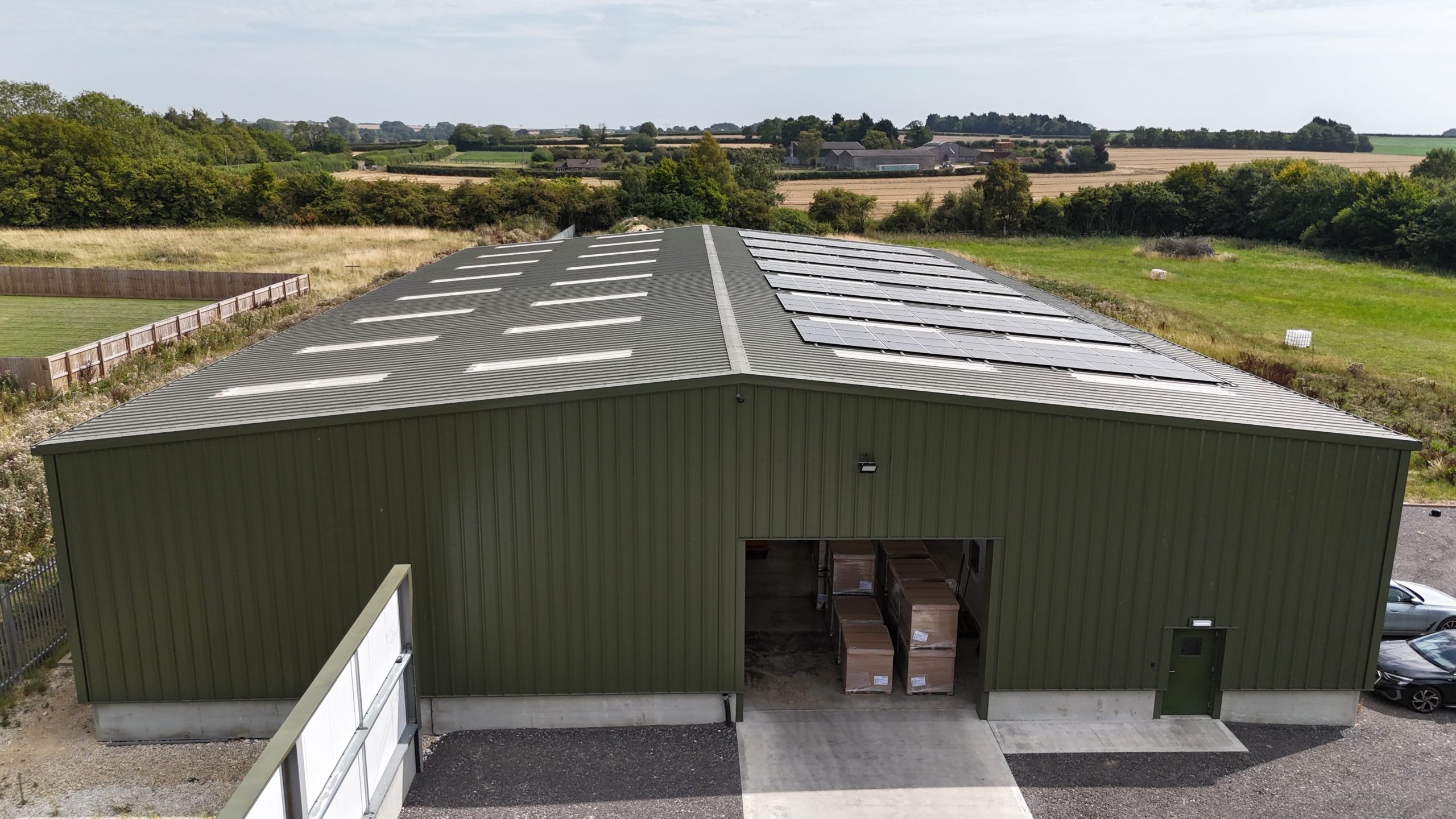

When choosing what size of commercial solar panel system your business needs, bigger is not always better. While it’s certainly important to get the most out of your system, there are some key considerations to make.
A thoughtfully designed system should take into consideration:
- How much electricity the business uses
- What business operating hours are the most energy-intensive
- The amount of usable roof for ground space
- The available budget
- The financial and operational goals of your business.
When choosing the right size solar system, it’s integral that all these aspects are fully aligned. In many ways, it’s a balancing act. In this helpful guide, we’ll help you find the balance between solar generation, usable energy, the costs and your business goals.
What Does Commercial Solar System Size Mean?
When discussing the size of a commercial solar panel system, we’re generally referring to two key areas: the physical size and the capacity, which both need to be factored into your final set-up size.
The first is capacity. The capacity refers to the maximum power output of all your panels combined. Normally shown in kilowatts or kW, working out how much energy you need to generate to meet your needs will help you determine the capacity required. The capacity will inform you how energy can be produced in peak energy usage hours, as well as in a typical day, week, month or even year.
The second size we need to take into consideration is the physical dimensions of your solar panel set-up. Commercial solar panels are generally larger than domestic solar panels, so it’s important to consider how much usable roof or ground space you have that can be dedicated to solar installation.
What Could Different Commercial Solar System Sizes Generate?
This table shows how capacity and panel size relate to your annual electricity generation. This is not a recommendation as the correct size will depend on several key factors, including usable roof space, grid constraints, and the amount of power needed on site.
| Solar System Size | Potential Annual Generation | Approximate Number of Panels | Commercial Context |
| 10kWp | 8,000–10,000kWh | 20–23 | Smaller office, workshop or commercial unit |
| 25kWp | 20,000–25,000kWh | 50–58 | Larger office, school building or light-industrial unit |
| 40kWp | 32,000–40,000kWh | 80–92 | Farm workshop, machinery building or showroom |
| 50kWp | 40,000–50,000kWh | 100–115 | Storage facility, warehouse or commercial unit |
| 100kWp | 80,000–100,000kWh | 200–230 | Larger warehouse, factory or industrial site |
Commercial solar systems are normally described in kWp, meaning kilowatt peak. Their electricity generation and the business’s consumption are measured in kWh.

Discover Your Solar Energy Usage Patterns
While knowing what your annual energy consumption is, is a great place to start, it’s rarely enough to accurately size your commercial set-up.
Two businesses may use the same amount of energy in a year, whilst having extremely different usage patterns. For example, solar panels for farming, and solar panels for schools, will have very different usage patterns.
Why does this matter? Your set-up needs to not only produce enough energy but also be able to produce enough for the peaks of high usage times.
Different businesses use electricity very differently, for example:
- An office’s solar system will likely have a consistent weekday demand, around the hours of 8 through to six without large usage peaks.
- A factory, however, may run large machinery in shifts, meaning energy will peak during key times.
- A farm may have highly seasonal requirements, may use more energy during harvest times, and less during the colder months.
- A restaurant may use more electricity later in the day, using cooking equipment and extractor fans during a busy service, while a lower level of energy may be used throughout the day to power refrigeration systems.
- A cold-storage facility may have a continuous baseload all day, every day.
As all these businesses use power in a different way, which is why there can’t be a one-size-fits-all approach when it comes to commercial installation.
Why Does Usage Timing Matter?
You may be wondering why usage timing is so important when determining your set-up size, so let’s look at how solar panels actually work.
Solar panels generate electricity by converting sunlight into usable power through a process called the photovoltaic effect. Since they typically generate during the day, businesses with a steady daytime demand can use a large amount of their solar electricity directly.
However, where demand is higher in the evening or at key times of the day or year, energy will need to be stored, ready for those high usage times. Due to this, you may require a different size system, as well as a solar battery storage system, to ensure the power is ready to use when you need it the most, keeping your business running effectively and efficiently.
How Does Usable Roof Space Affect System Size?
Many commercial businesses, such as farms, offices and warehouses, have plenty of spare roof space for installations; however, there’s a big difference between roof space, and usable roof space. A roof space must be usable to have solar panels installed.
What Affects Roof Usability?
- Roof dimensions: the actual size of your roof
- Orientation: Solar panels work best when the light reaches them, meaning the best roof spaces are often south facing, or flat with rotating mounts, as they allow sunlight to reach the panels for more of the day.
- Skylights and vents or existing roof-mounted equipment: are there any features already on the roof space that may make installation difficult?
- Safe access and maintenance routes, our maintenance team will help you decide if access to the roof space is possible and safe.
- Roof condition: your roof must be in a strong and suitable condition for solar panel installation and regular maintenance; a weak or structurally unsound roof will simply not be suitable.
- Cable routes and Inverter locations: Our team will help assess the best locations for cable routes and inverter locations, so your set-up is tidy, safe and suitable for your business needs.
- Fire safety and clearance requirements: we’ll also help you to check and understand key safety regulations and requirements.
To ascertain whether your roof space is suitable, and what size system can be mounted, we’ll do an initial consultation and site assessment, using advanced satellite systems. We’ll check your roof orientation, site, structural factors, as well as your current usage, in order to create a system specification.
Should every available section of the roof be covered?
Using all available roof space can be a great idea for a business with:
- High daytime demand
- Electricity use that is expected to grow
- Export or selling back to the grid would be financially beneficial
- Usage in the future is expected to grow
However, a smaller, more targeted solar panel installation for your business may be better if:
- The budget is limited
- Certain roof areas perform much better than others
- Daytime demand is relatively low
- The business wants to prioritise self-consumption or faster payback
Your system should work for you; that doesn’t always mean filling every available space with panels. At Lincs Renewables, we understand that the best solar panel systems are tailor-made to your exact business needs.
How Budget Can Help Shape Your Commercial Solar Installation
We’ll work with you to understand your business needs, goals and budget. Solar panels do require an upfront installation cost; however, once installed, you’ll see lower electricity bills from day one, long-term savings and protection against rising energy costs in your sector, making it worthwhile to factor in expected returns on the investment when considering your initial budget.
To protect your investment from day one, it’s important to keep on top of solar panel maintenance, keeping your solar panels efficient is straightforward with the right support. Our team can offer guidance and support to ensure your panels are delivering optimal efficiency for years to come.
What Information Does a Solar Installer Need?
For us to gain a good understanding of what commercial set-up is right for your business, there are several things we can use to make a strong estimate. Including:
- At least 12 months of electricity bills
- Annual electricity consumption
- Half-hourly meter data, where available
- Normal operating hours
- Daytime, evening and overnight demand
- Weekend usage
- Seasonal changes
- Periods of unusually high demand
- Current electricity tariffs
- Planned changes to the business
Your installer will also need to assess your existing grid connection and determine whether a G98 or G99 application is required. These applications notify or seek approval from the Distribution Network Operator before certain solar systems can be connected to the grid.
Once this information has been collected, we’ll model several options rather than simply recommending the largest possible system, so you can make a choice that aligns with both your commercial needs and your budget. We’ll also guide you through what happens during the installation process.
 Will I Need Battery Storage?
Battery storage can be a great addition for businesses that produce surplus energy during the day but use more power in the evening or early morning, like farms, for example, which will run machinery at key times. By storing energy for use later on, a battery can improve your self-consumption.
How Lincs Renewables Matches You with The Right Solar System
At Lincs Renewables, we survey your premises, review your energy usage, and model suitable solar and battery options to meet your commercial needs.
This allows us to compare likely generation, on-site use, export and financial returns before walking you through well-considered commercial solar options, perfectly aligned to your business size and performance.
Contact us today to discuss your requirements and arrange a free, no-obligation quotation, or simply speak to one of our friendly team members for more information.
If you’d like to find out more: get in touch, call us on 01472 511487, or email us at info@lincsrenewables.co.uk.
Contact us today to discuss your requirements and arrange a free no-obligation quotation, or download your free solar guide!
Our team of MCS approved solar panel installers cover the following areas and more across Lincolnshire and East Yorkshire:
- Boston
- Caistor
- Cleethorpes
- Gainsborough
- Grantham
- Grimsby
- Horncastle
- Hull
- Lincoln
- Louth
- Market Rasen
- Newark
